About the Book
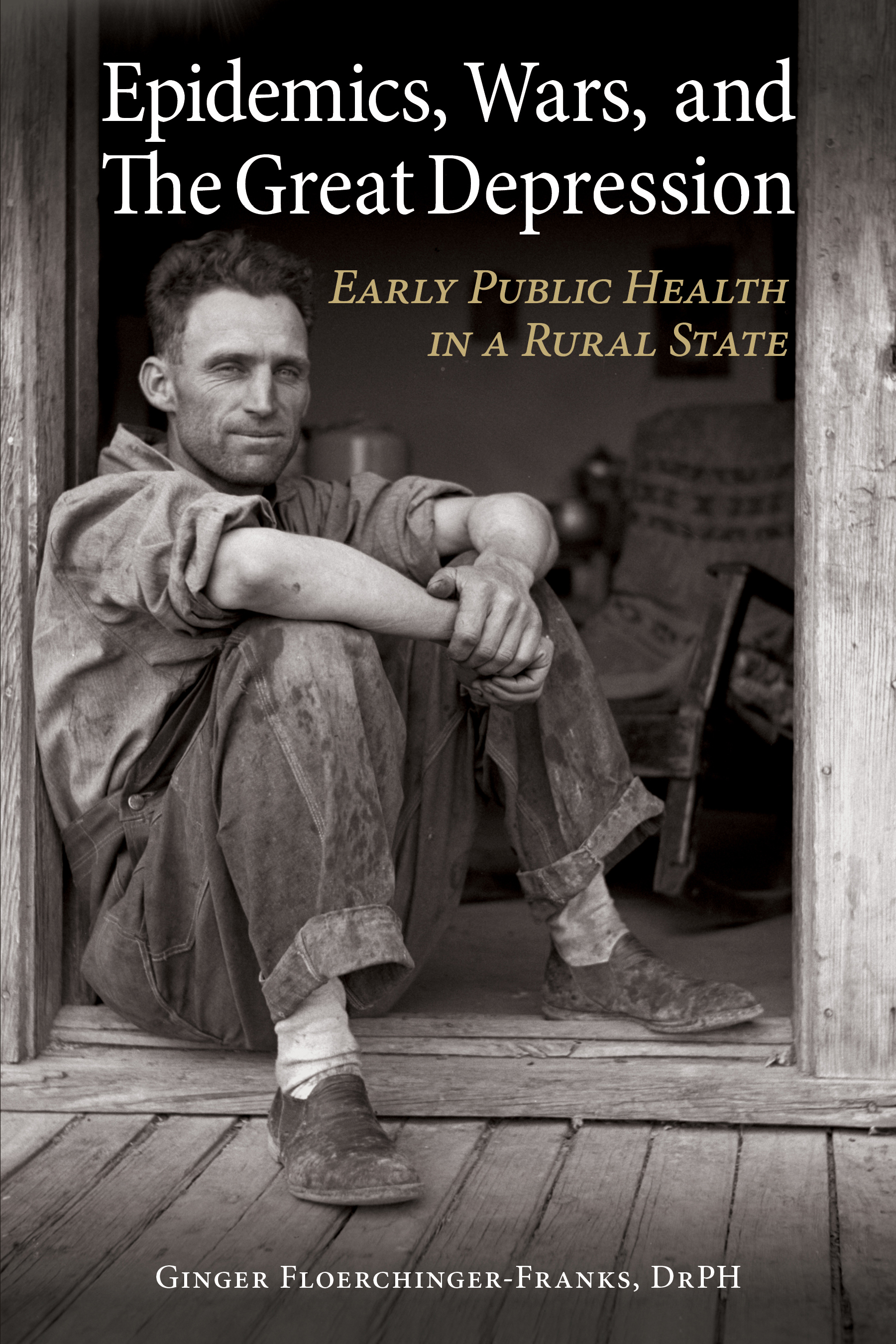
Public health is often forgotten until a well-publicized food poisoning or epidemic occurs. But public health services affect us every day—providing pure water, uncontaminated foods, sanitary sewage disposal, and preventing illnesses. Epidemics, Wars, and The Great Depression: Early Public Health in a Rural State traces the advancement of public health in a large, rough-and-ready rural state that resents outside intervention from its early existence as territorial land through World II. The evolution of public health in Idaho reflects the ongoing push of political reality against the pull of public need. While Idaho’s conservative political stance rejected accepting federal assistance, it was federal assistance that did, and still does, make addressing public health needs possible.
Buy the Book